Choose your focus.
Start with your experience and the material you would like to study, then ask how the camp’s actual program fits those priorities.
Compare gi & no-gi Plan your first campTRAINING FIRST. WHOLE TRIP CONSIDERED.
Picture the training. Plan the whole trip. Explore gi, no-gi, and illustrated dojo scenes, then shape a camp visit around what you want to learn.
THE TRAINING COLLECTION
From gi-grip practice to illustrated dojo scenes, explore the collection and imagine your next learning focus. Select any card for a closer look.
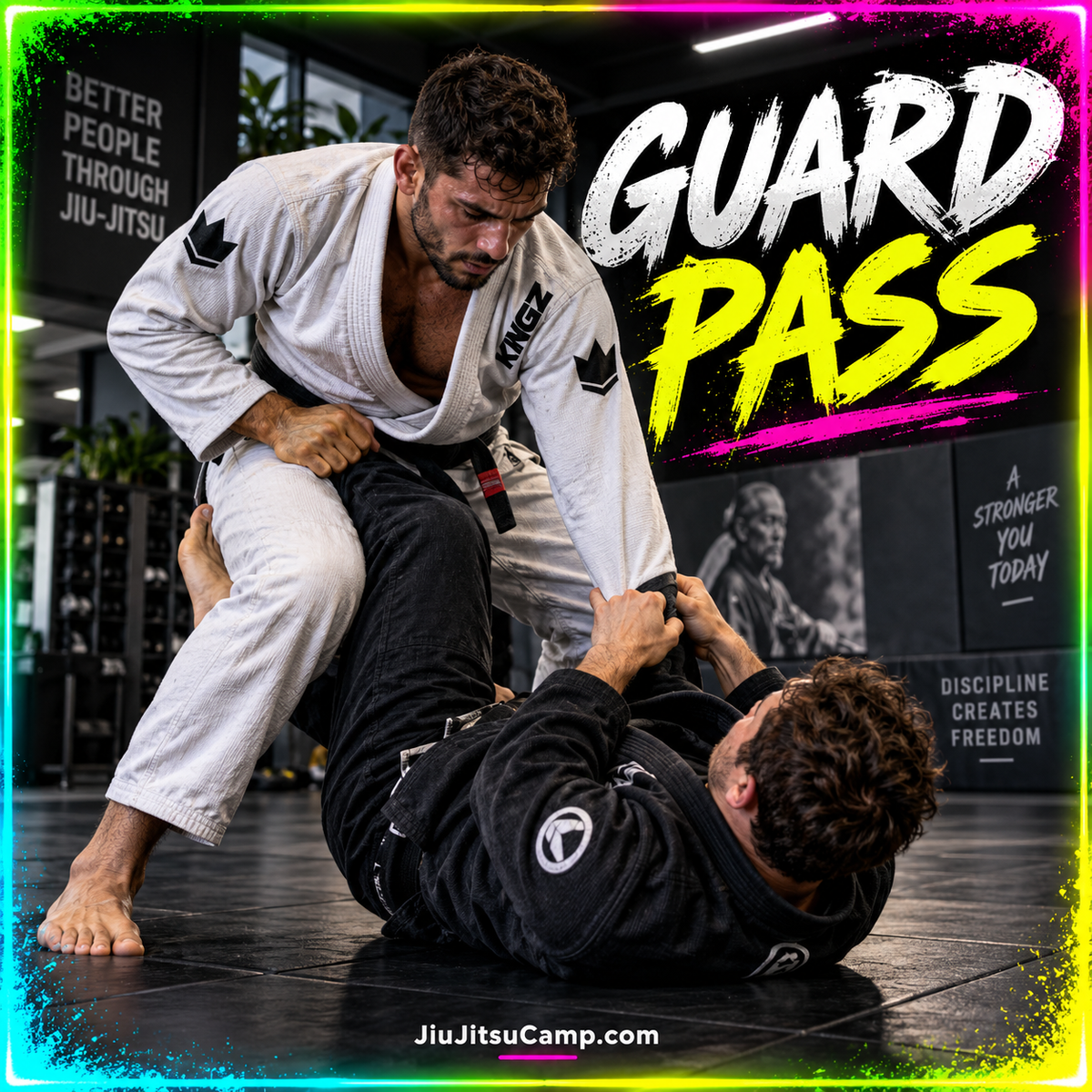
Two athletes in white and black gis bring guard-pass practice into focus for learners planning a jiu-jitsu training camp.
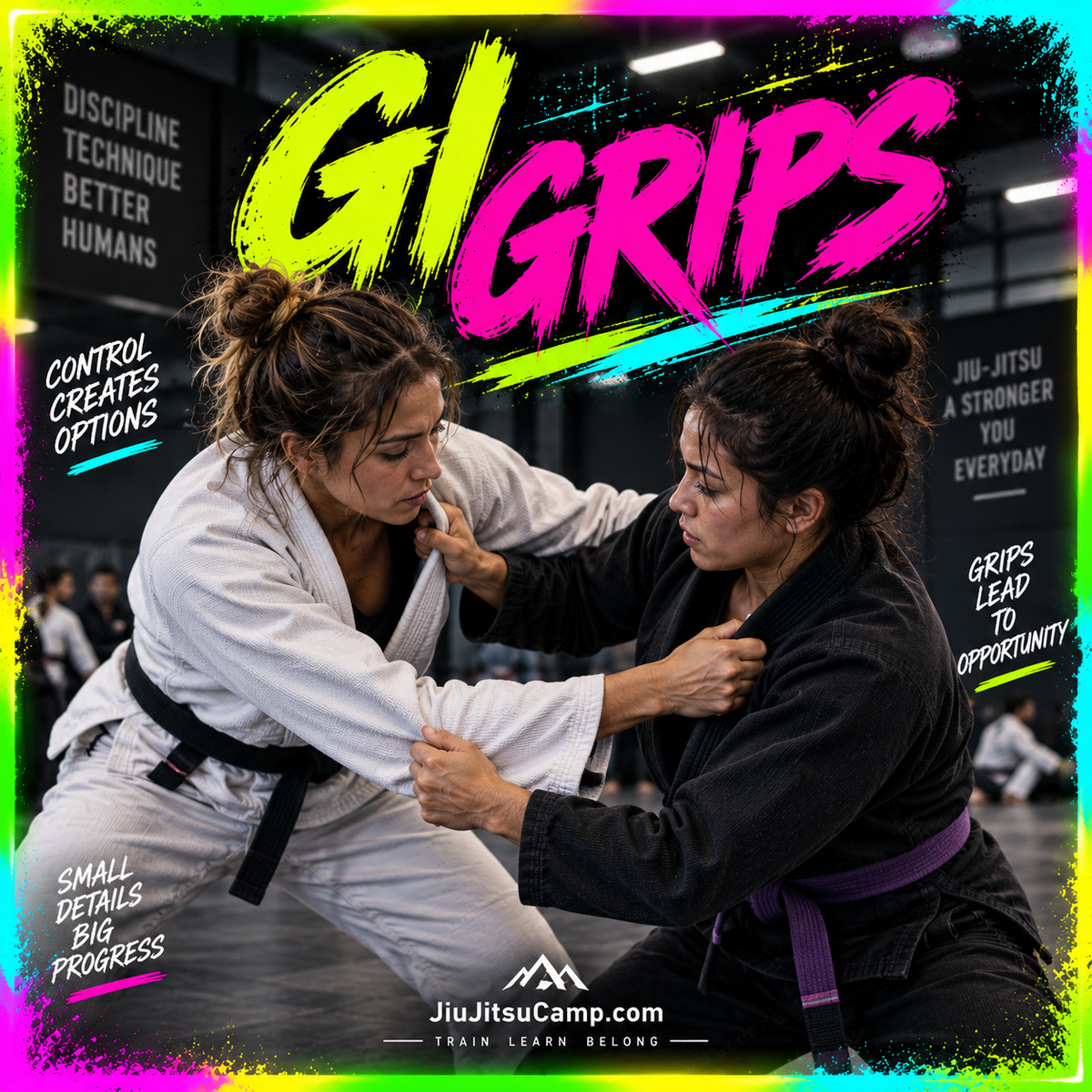
Two women practice gi grips, highlighting a technical learning theme to explore when choosing a women’s jiu-jitsu training camp.
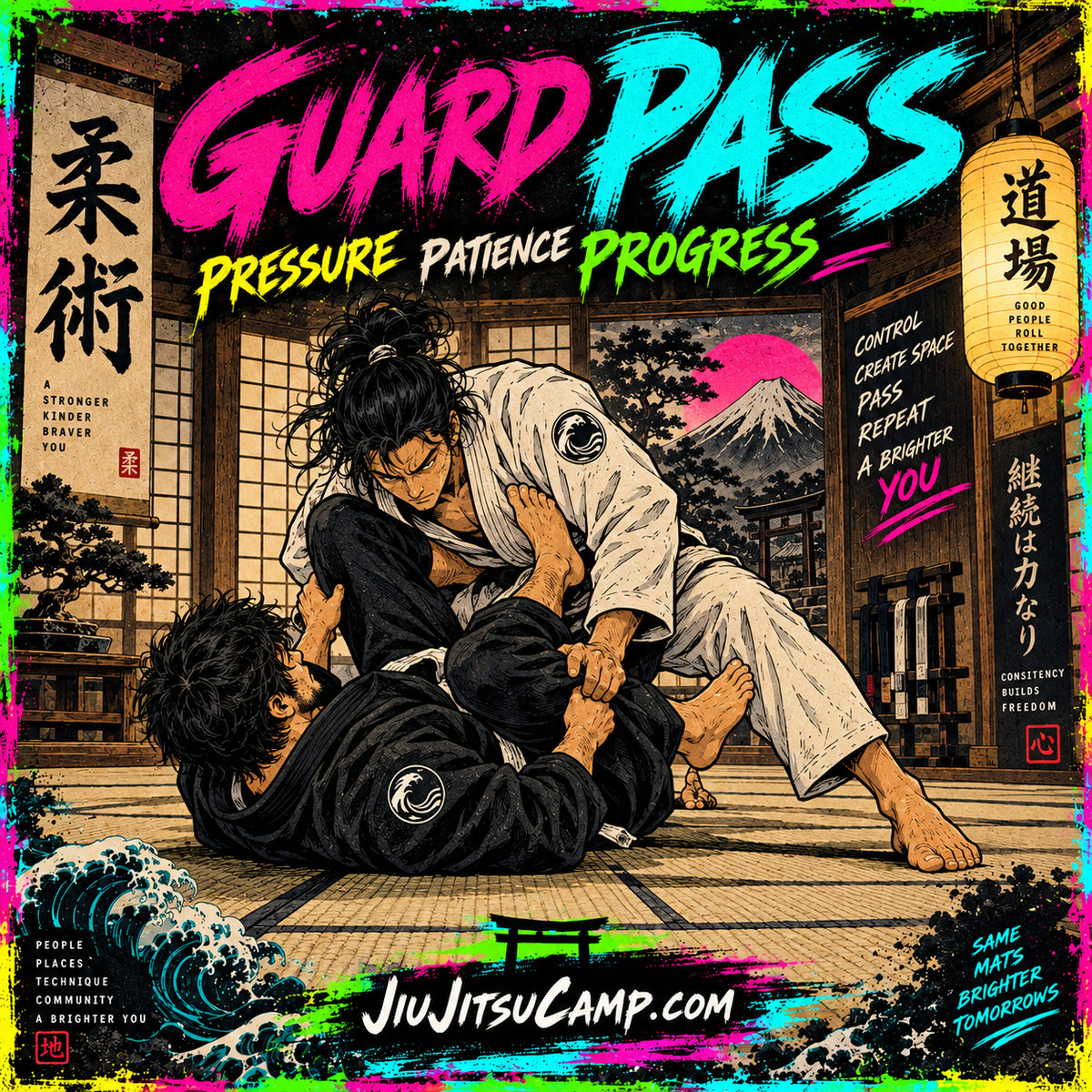
This Japanese-style guard-pass illustration connects a dojo-inspired visual theme with learning goals for a jiu-jitsu training camp.
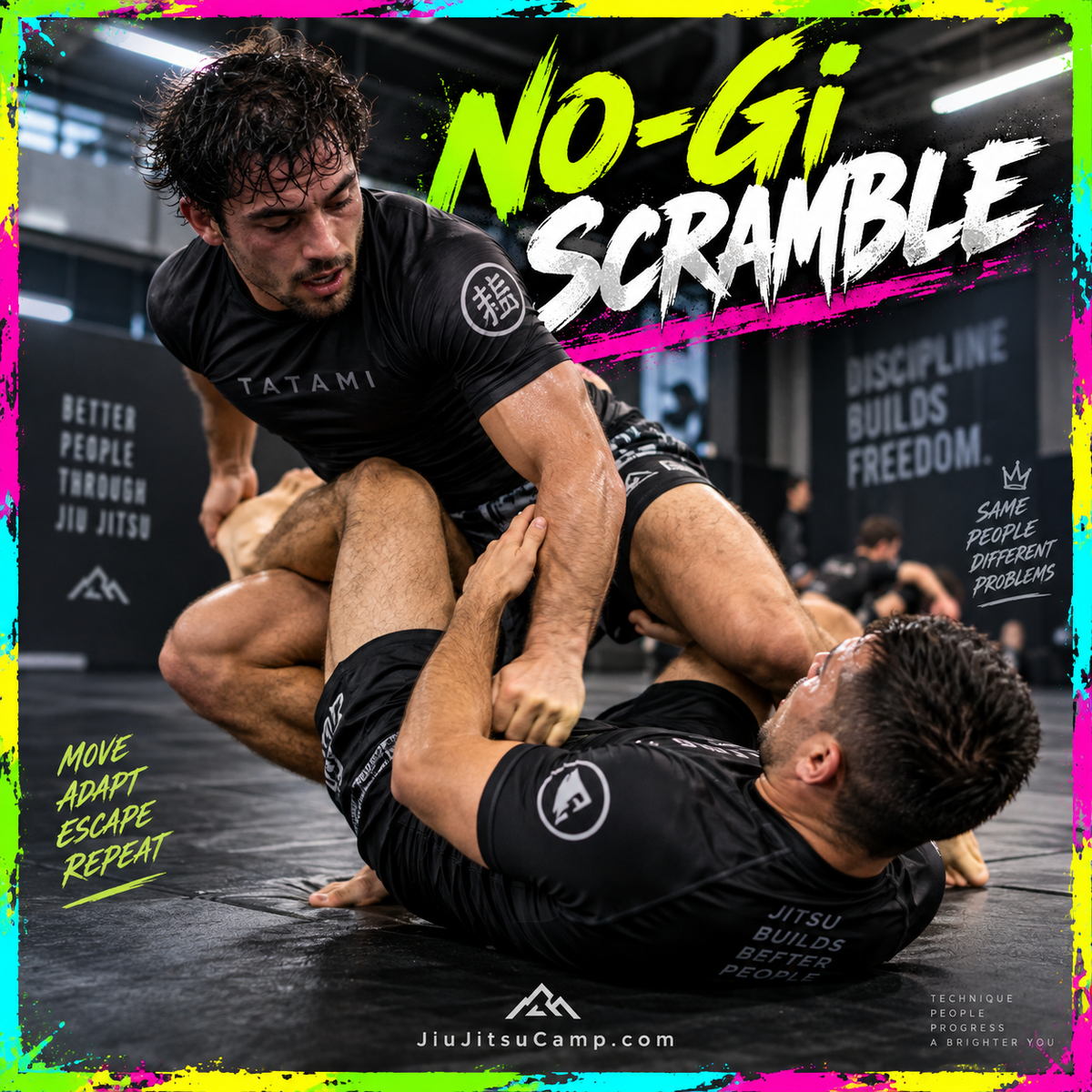
Two athletes in rash guards illustrate no-gi scramble practice, a training interest to consider when planning a jiu-jitsu camp trip.
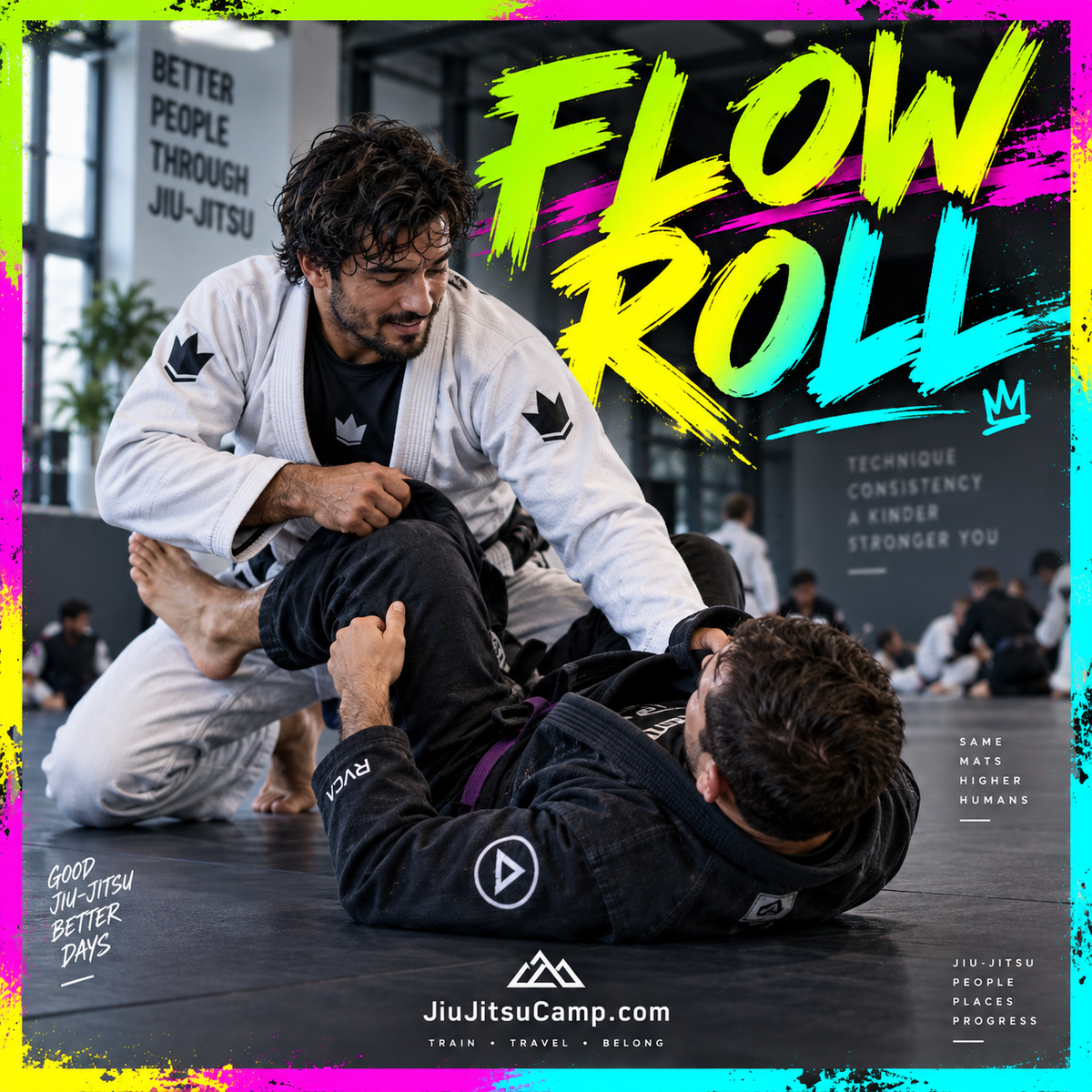
The flow-rolling scene invites learners to make room for partner practice when shaping a jiu-jitsu training camp experience.
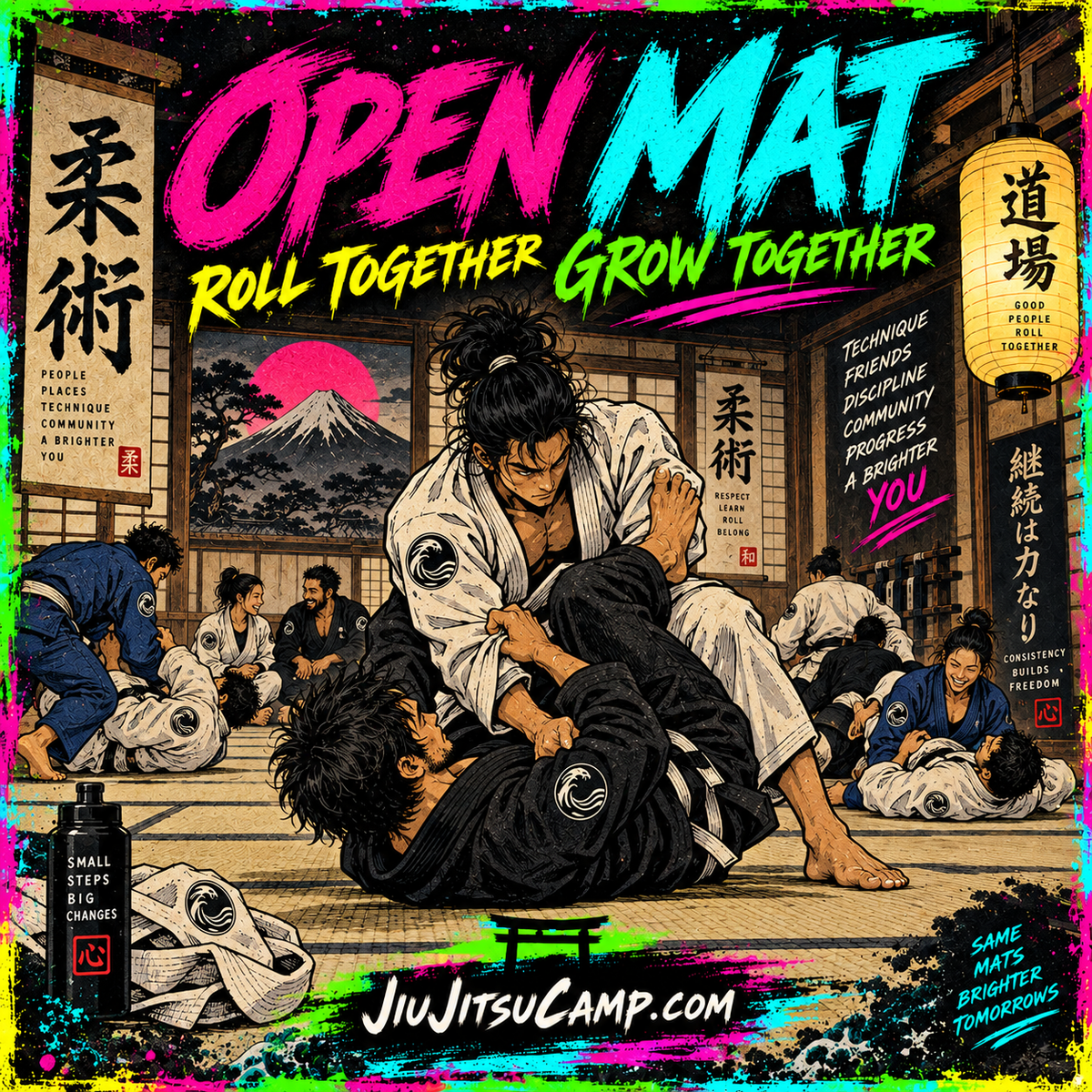
An illustrated open mat places shared practice at the center of learning jiu-jitsu and imagining a training-camp community.
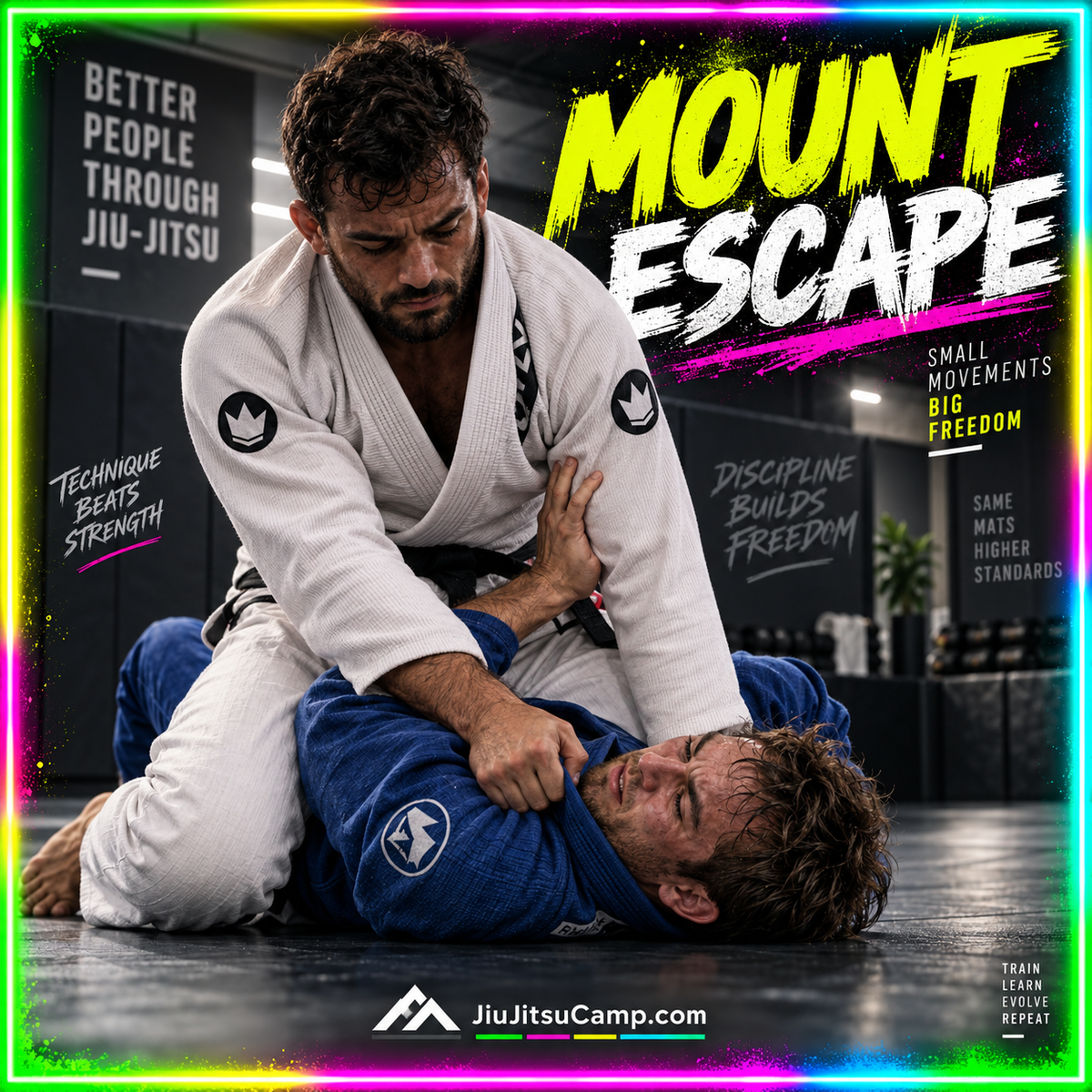
The mount-escape training card offers a clear learning theme to discuss with an instructor before a jiu-jitsu camp.
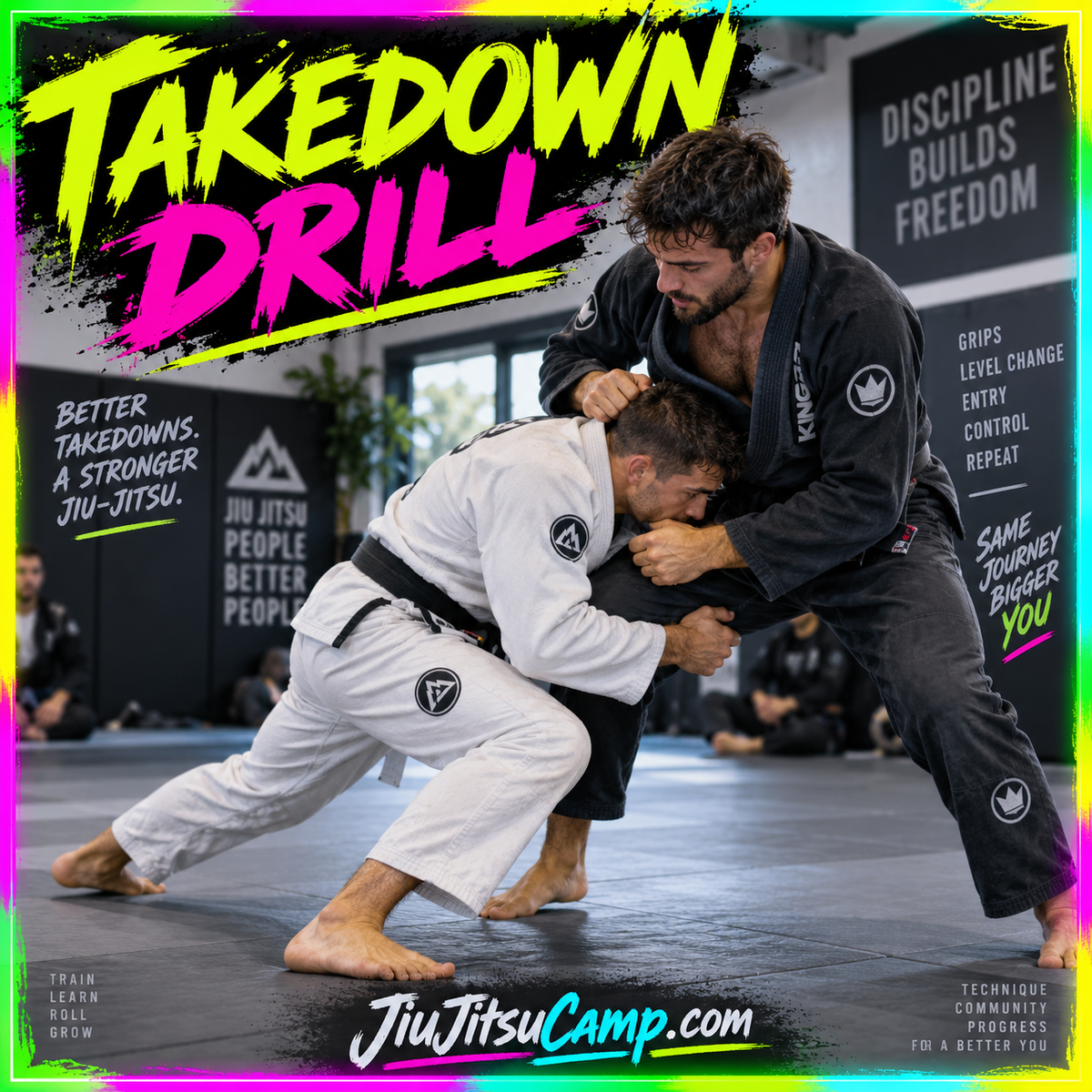
Two athletes rehearse a takedown entry, showing another area of jiu-jitsu training to explore in a camp’s teaching program.
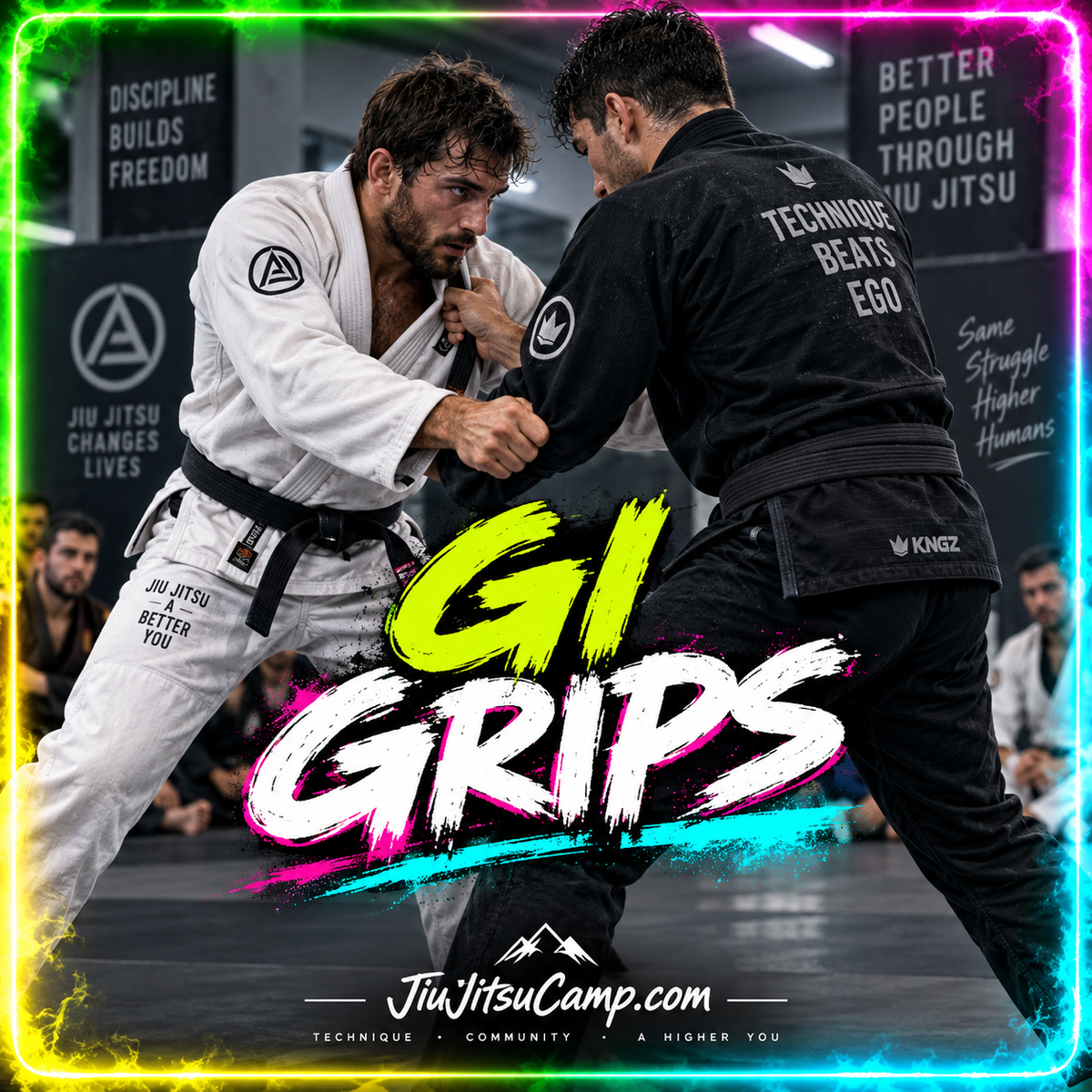
Standing gi-grip practice gives learners a visual starting point for discussing technical interests at a jiu-jitsu training camp.
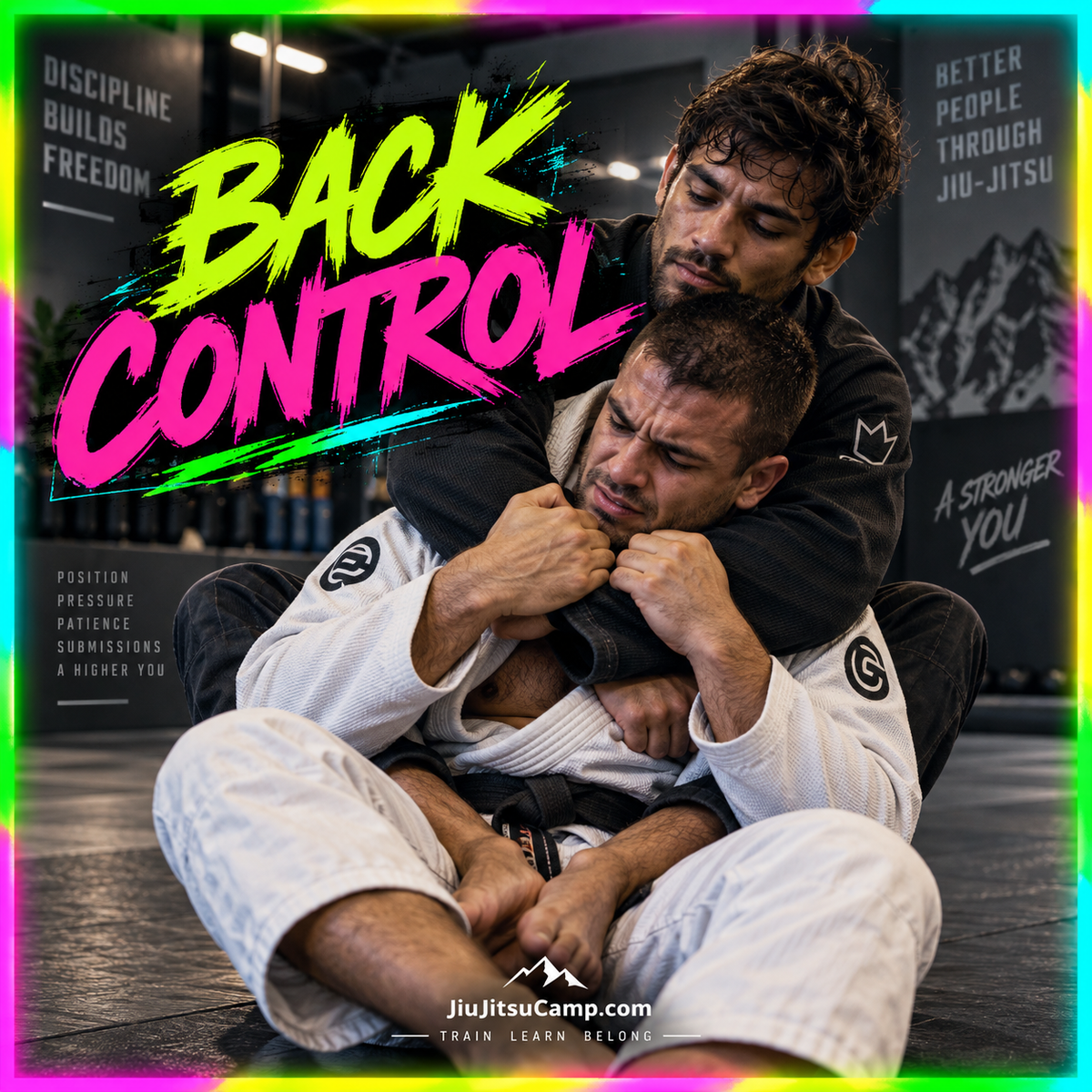
The seated back-control scene points to a positional learning topic to explore with qualified coaching at a jiu-jitsu camp.
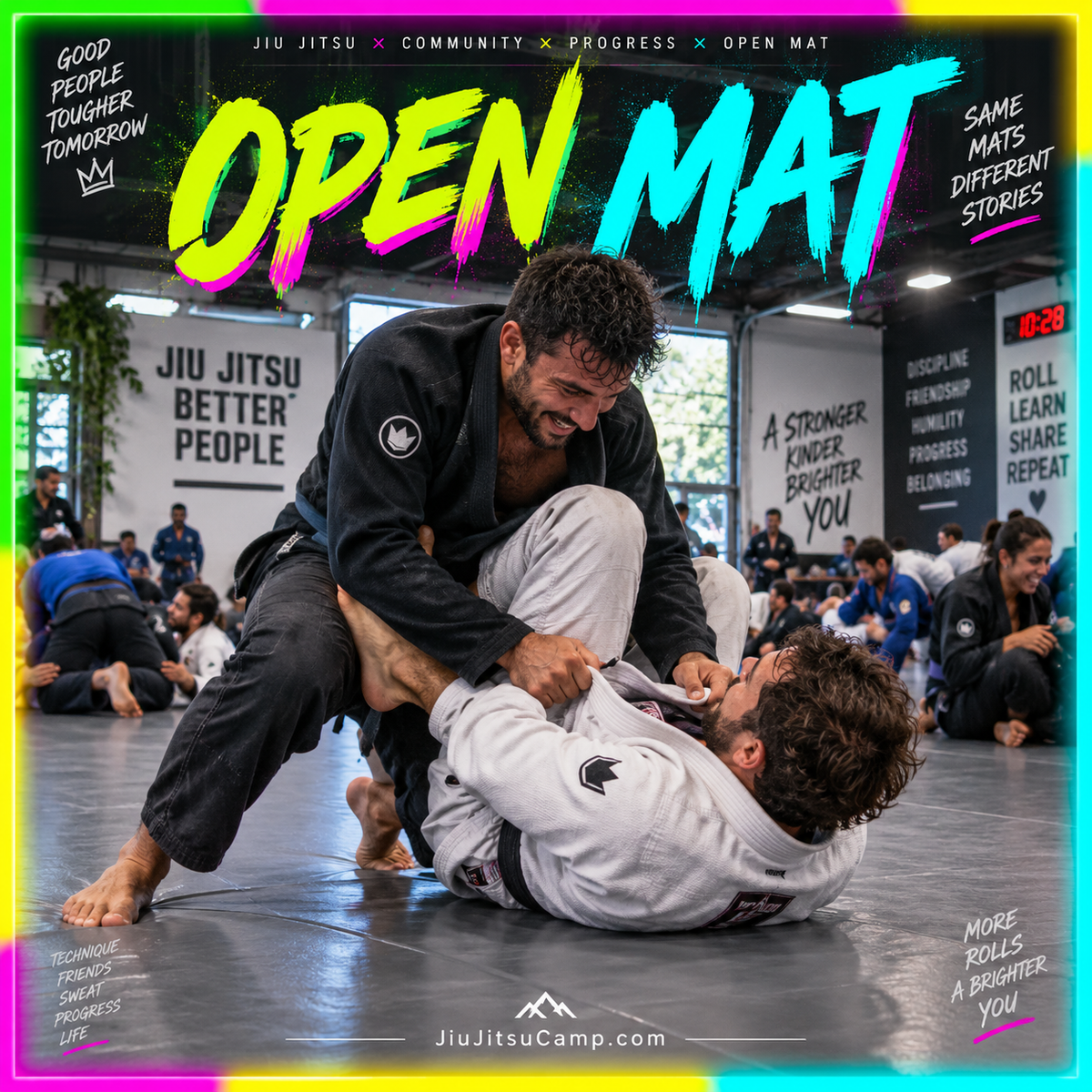
An open-mat scene celebrates partner practice and the new training connections learners can seek on a jiu-jitsu camp trip.
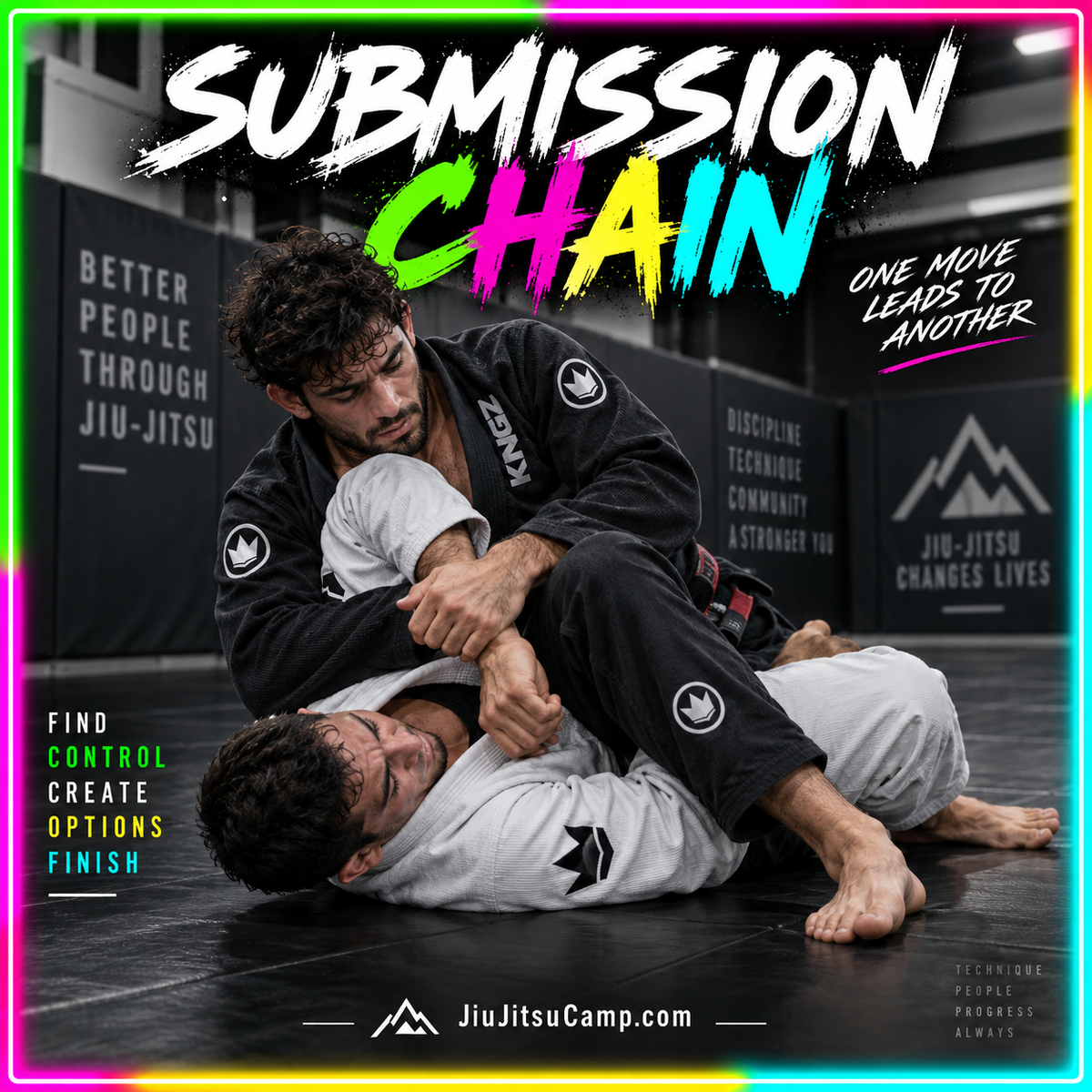
The submission-chain card introduces linked positional practice as a learning interest to discuss when comparing jiu-jitsu training camps.
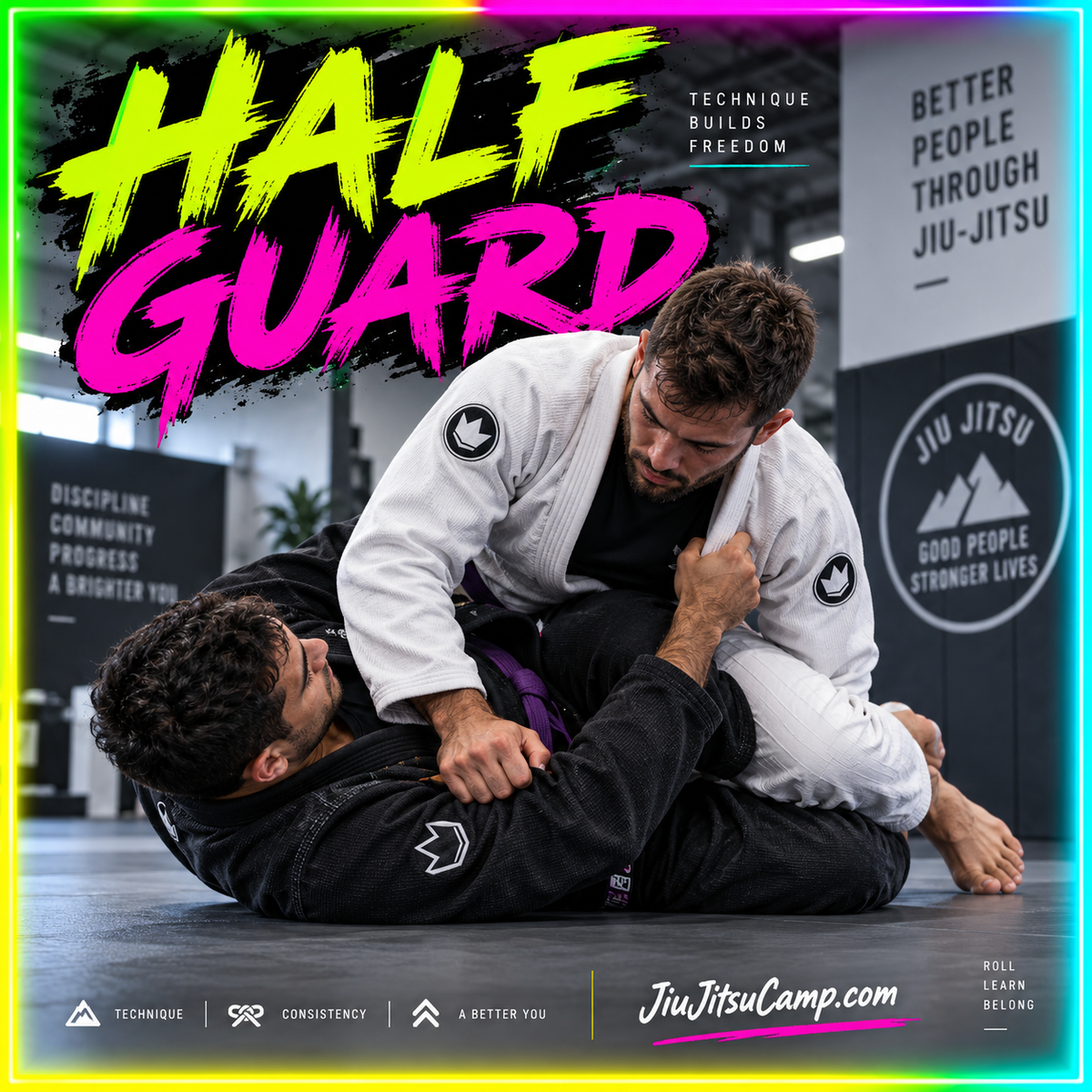
The half-guard scene helps frame a specific learning goal for a jiu-jitsu training camp rather than an entire trip without a focus.
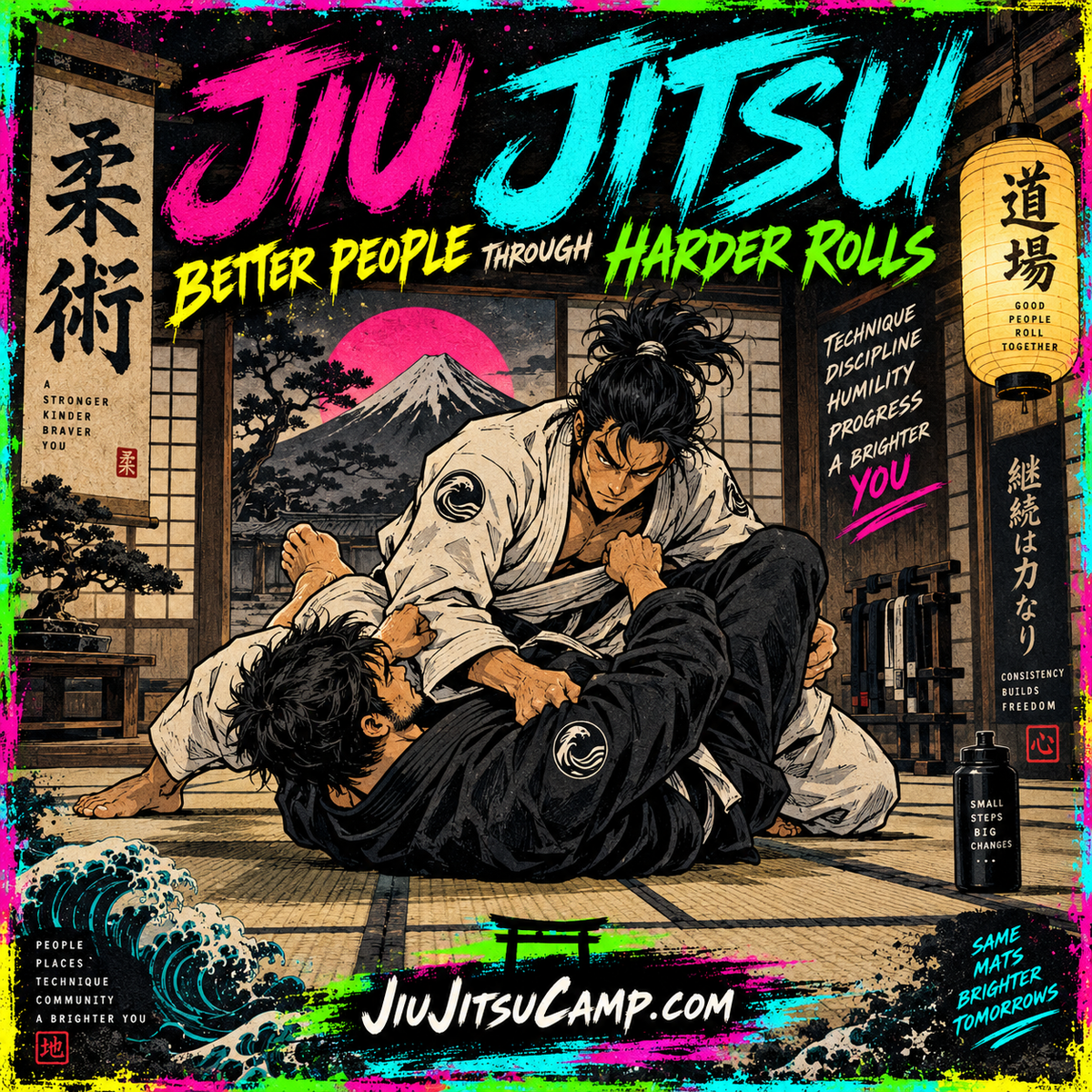
Two illustrated grapplers in a traditional dojo setting bring a Japanese-inspired art style to the idea of learning jiu-jitsu at camp.
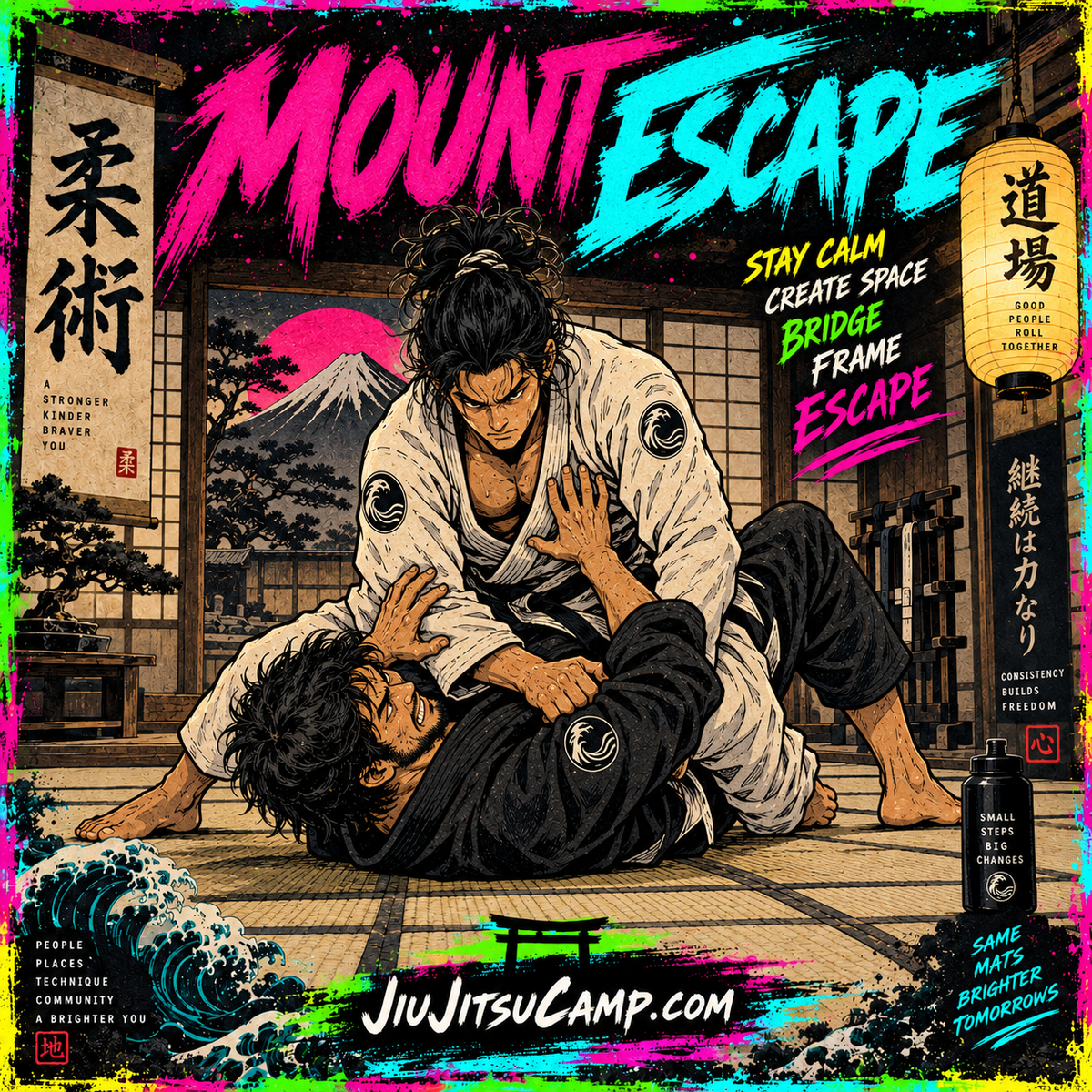
This illustrated mount-escape scene turns positional learning into a memorable visual theme for a jiu-jitsu training camp.
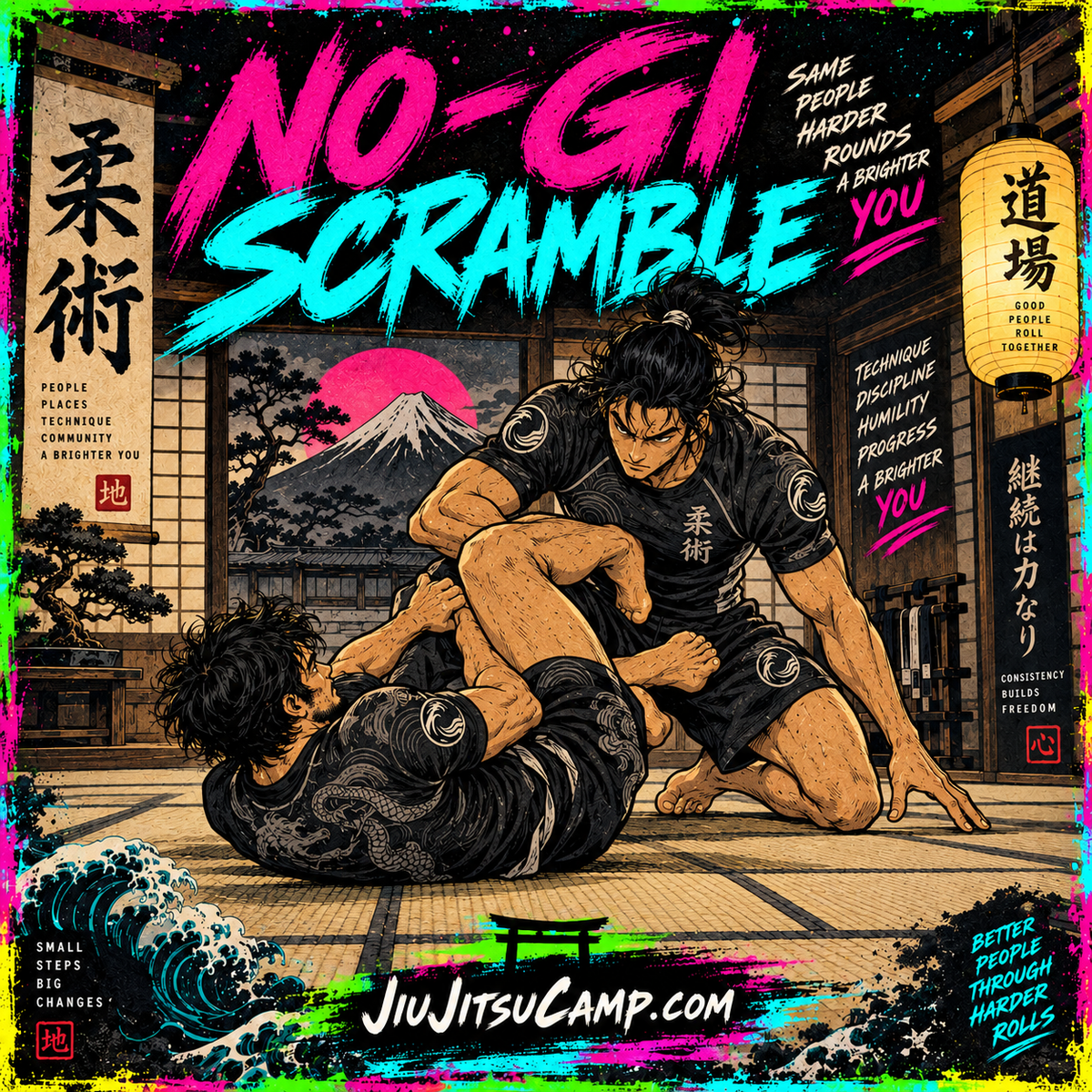
The no-gi scramble illustration pairs a traditional dojo backdrop with a modern training theme for learners exploring jiu-jitsu camps.
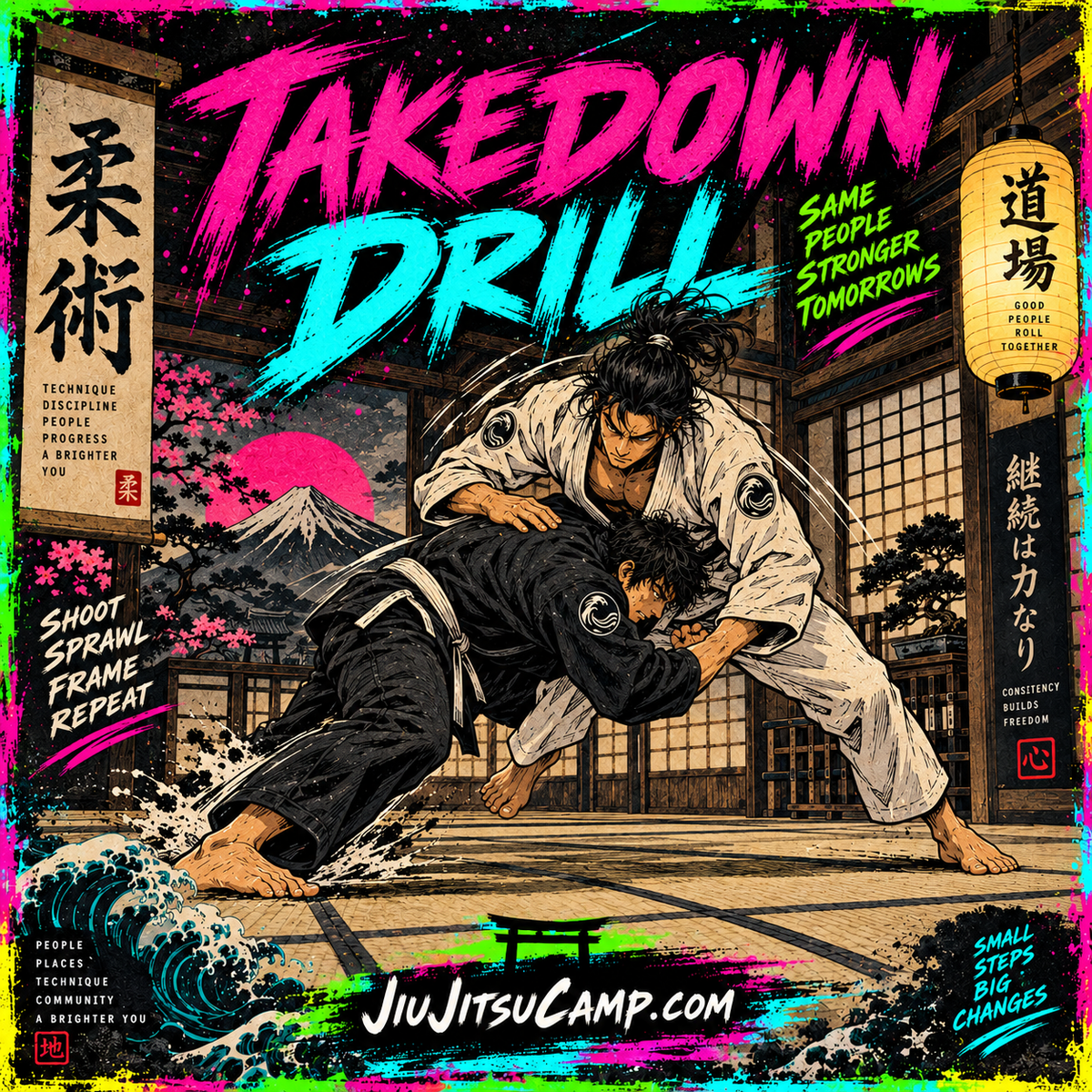
An illustrated takedown drill adds standing practice to the visual learning ideas for a jiu-jitsu training camp.
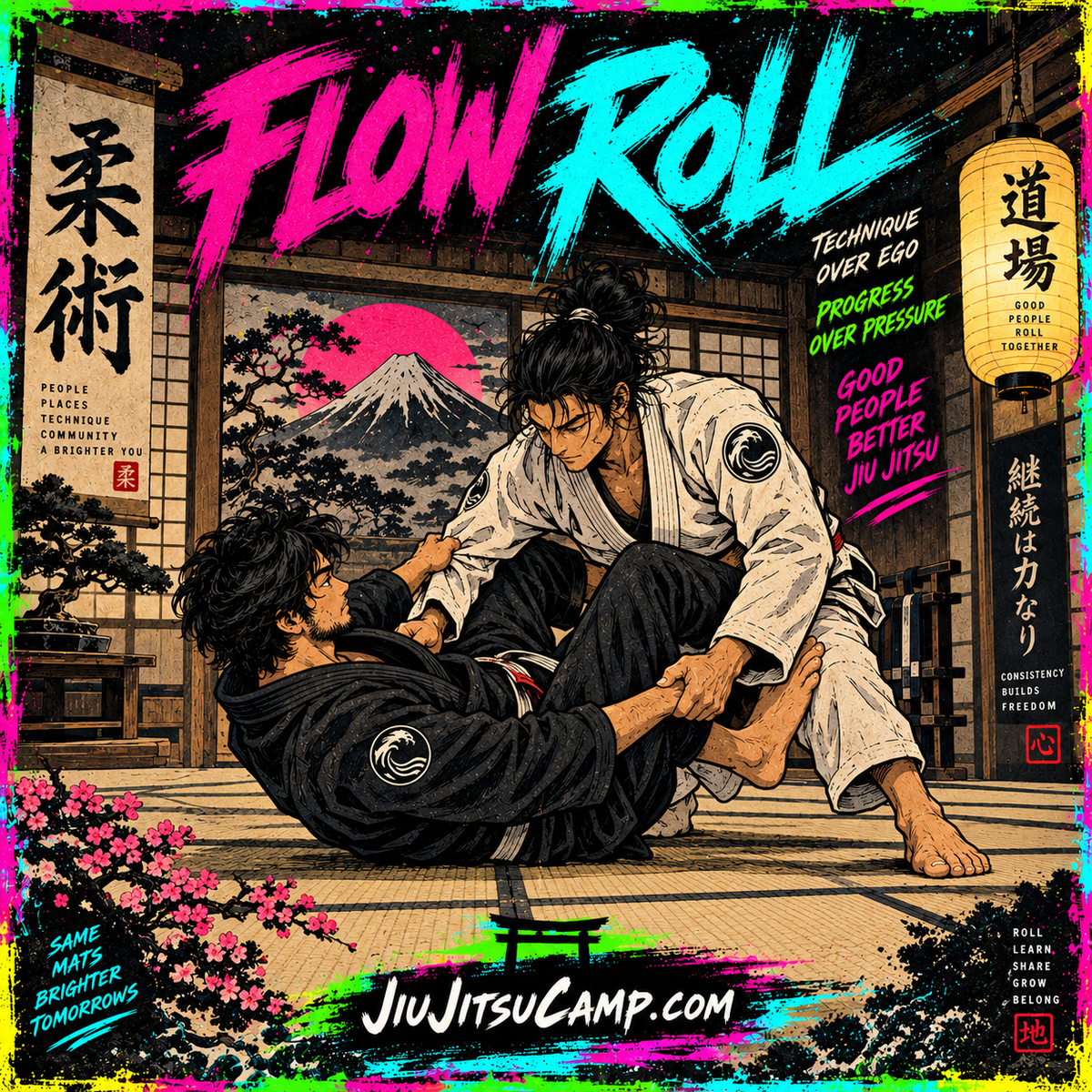
The dojo-style flow-rolling card centers partner practice as an inspiration for learning jiu-jitsu during a training-camp trip.
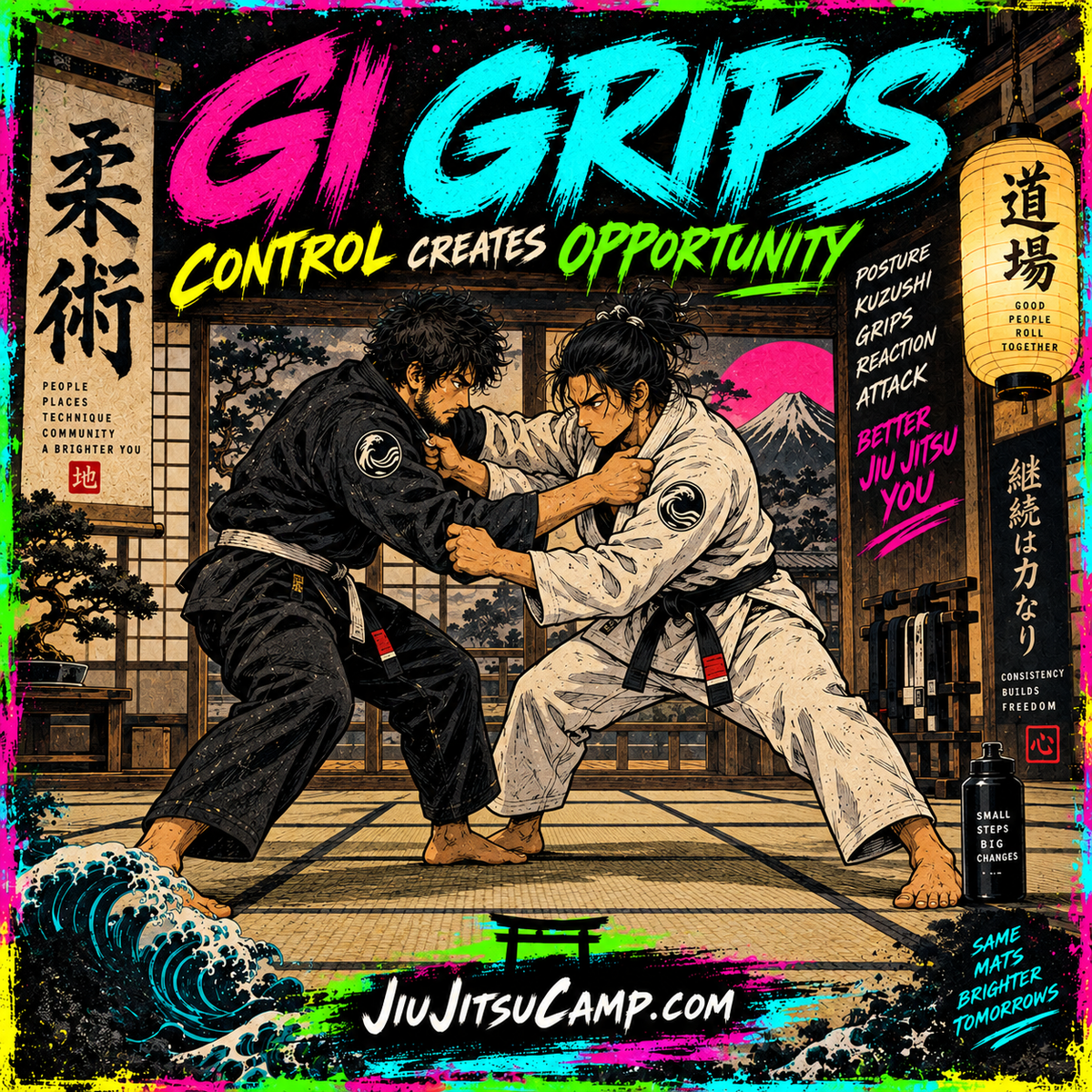
Illustrated gi-grip practice highlights a technical theme learners can take into conversations about a jiu-jitsu camp curriculum.
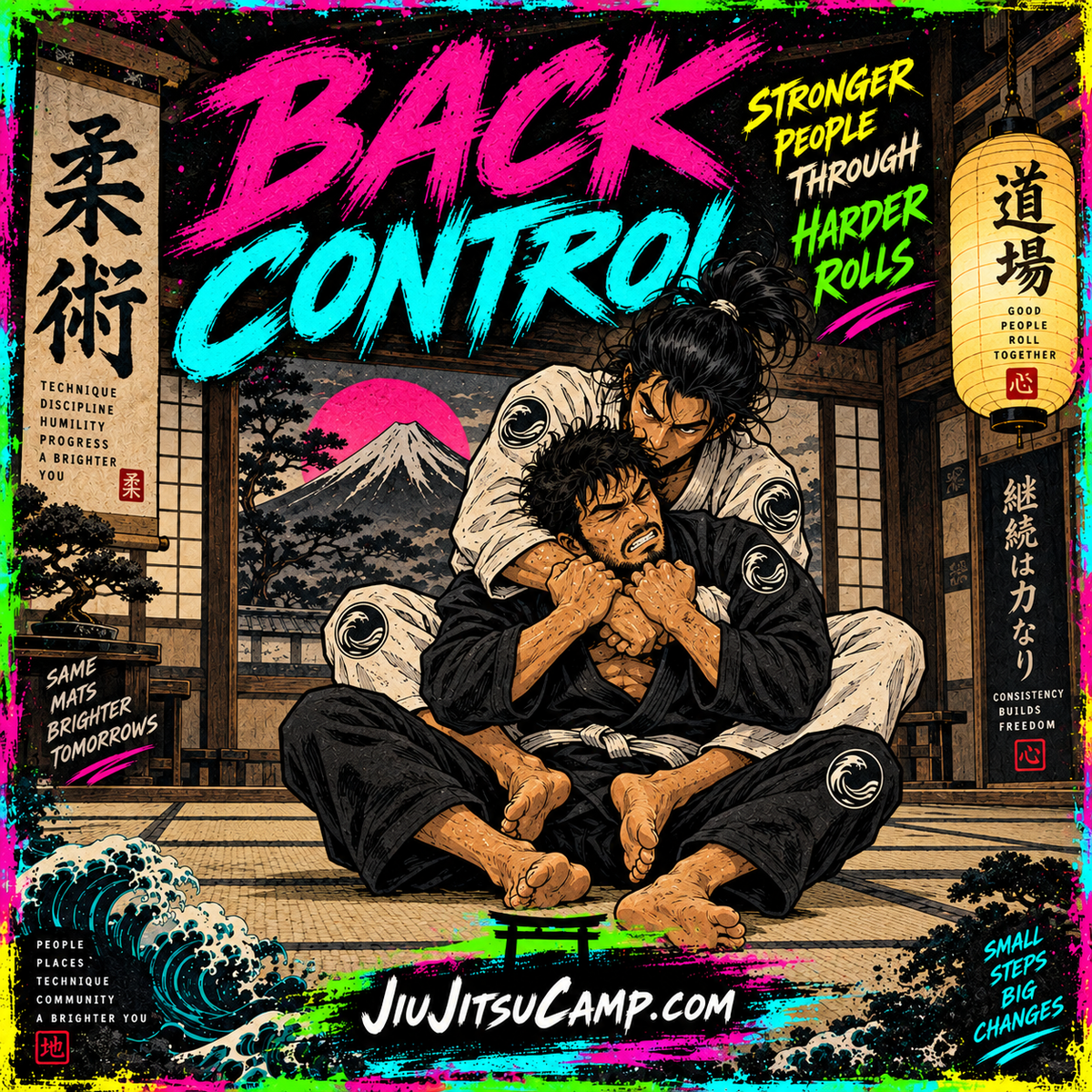
The dojo-inspired back-control illustration provides another positional learning theme for planning a jiu-jitsu training camp.
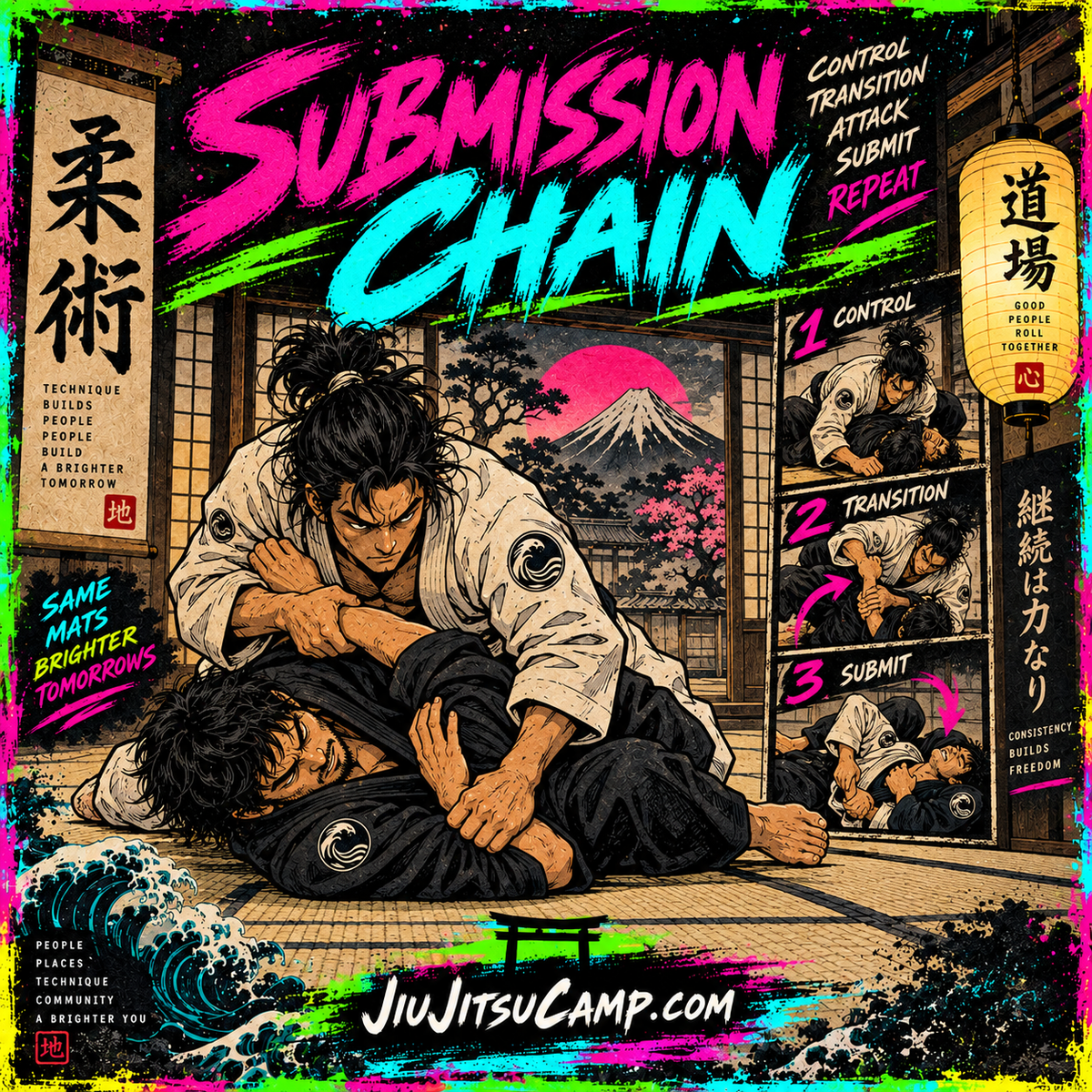
An illustrated submission-chain card emphasizes connected positions as a study theme to revisit with a jiu-jitsu camp instructor.
Training themes for your next chapter. Follow the practice with a plan.
FROM THE IMAGE TO THE ITINERARY
A camp ticket is one part of the trip. Use these guides to bring your training goals, accommodation, travel, and daily routine into the same plan.
Start with your experience and the material you would like to study, then ask how the camp’s actual program fits those priorities.
Compare gi & no-gi Plan your first campBring the training ticket, room, transport, meals, and laundry into one plan, checking the organizer’s stated inclusions separately.
Plan travel & accommodation Build your camp budgetUse the timetable to choose priority sessions while leaving space for meals, clean kit, downtime, and the people you meet.
Open the packing checklist Plan your training daysUse this collection to explore training themes; confirm dates, prices, places, and package inclusions with the event organizer.
YOUR NEXT CHAPTER STARTS WITH A PLAN